
Ohio: A campaign ad rests on a mother silent for 48 years
The Ramaswamy campaign offers one witness against Amy Acton. The record behind that witness is an indictment.
The Short Version
- What changed
- A campaign ad in Ohio's race for governor now rests on Amy Acton's mother, who has not spoken to her daughter in 48 years.
- Who it hits
- Acton, whose account of her childhood sits in a 1978 court record: her stepfather indicted, the children removed from the home.
- What happens next
- Governor Mike DeWine asked the Ramaswamy campaign to take the ad down. The campaign says it runs through Election Day, November 3.
- What you can do
- Watch the ad and her brother's answer in full, and read the reporting in the Paper Trail before judging either side's claim.
In Ohio, a campaign for governor now asks voters to judge a candidate's account of her childhood on the word of her mother. The two have not spoken in 48 years. They stopped speaking in 1978, when Amy Acton was 12 and her stepfather was charged with raping her.
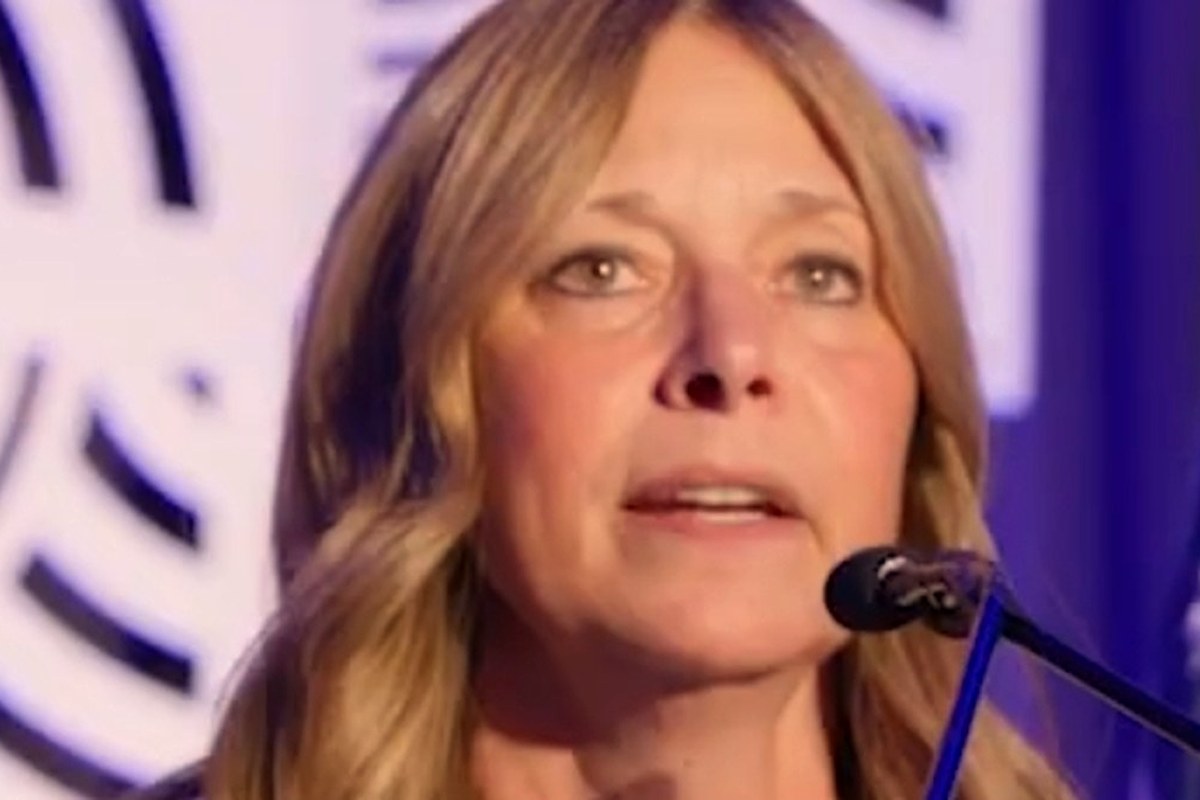
Here is what the ad shows. Donna Stearns Arthur looks into the camera. “It's not easy for a mother to say this, but Amy has a serious problem,” she says. “She is a liar. She lies about her past.” Then the instruction: “Don't vote for people who lie. Don't let her become your governor.”
That is the entire case the ad presents. One accuser. No documents. No dates.
Lampline's news pages run on one rule, and opinion should honor it too: show the paper. So here is the paper on the witness. In 1978, Cledith Arthur was charged with rape for sexually abusing his 12-year-old stepdaughter. A grand jury heard testimony and indicted him. Amy and her brother were removed from the home. Arthur left Ohio and died in southern Pennsylvania. He was never convicted, because he was never tried. Donna Stearns Arthur stayed married to him until his death. Her children never saw her again.
None of that appears in the ad. The word “mother” appears instead. It is asked to do the work that evidence does.
The ad's arrival left a record of its own. The clip surfaced on October 19 in an Ohio political newsletter. No sponsor was named on it. It spread as a viral video while the Ramaswamy campaign declined to say whether it was theirs. After the clip had traveled, Vivek Ramaswamy claimed it: “It is an ad from our campaign.” He said the mother was not paid. His argument is a pattern claim: people who know Acton best keep telling Ohio not to vote for her, so her honesty deserves scrutiny.
Scrutiny is fair game, and Acton offers plenty of it. Her record as Ohio's health director is long and public. It sits in orders, transcripts, and data. A campaign may argue it as hard as it wants, and voters can check every claim against the documents. Her childhood sits in a different file: an indictment, a custody removal, and 48 years of silence. The ad reaches past the record voters can check. It picks the one file where the only living accuser is the woman who chose the accused.
Both campaigns are on the record, and both deserve to be heard here. Philip Stearns, Acton's brother, answered first in a statement, then in a counter-ad. “Amy took the brunt of [the abuse],” he said. He called Ramaswamy “not fit to lead.” Acton spoke to WOSU on October 20. “It's awful to see her this way,” she said. Her opponent, she said, had “taken advantage of someone who's clearly not well, who is older.”
This morning, Ohio's Republican governor entered against his own party's nominee. Mike DeWine prosecuted child rape cases as a county prosecutor. “It was just wrong to run this ad,” he said. He recited the backstory himself: the grand jury, the indictment, the children who never saw their mother again. He asked Ramaswamy to take the ad down. The campaign says the ad runs through Election Day.
One more entry belongs in that record. DeWine kept his endorsement of the Republican ticket. His condemnation stops at the ad, not the candidate. Readers can weigh that for exactly what it is, because it is printed where they can see it.
A campaign confident in its evidence signs its work at the start. It does not wait until the video has done its rounds. A campaign with documents leads with documents. This one led with a mother who last spoke to her daughter in 1978. It asked Ohio to treat estrangement as testimony.
What happens next is fixed and dated. The ad stays up through Election Day, Tuesday, November 3, unless the campaign reverses itself. What you can do is the same thing this page did: watch the ad in full, watch the brother's answer in full, and read the reporting in the Paper Trail below. Then judge Acton on the record that can be checked: her years in office, in documents anyone can open.
Voters do not have to retry a child's abuse to judge this race. They have to ask one question. What is the record, and does the person presenting it appear in it? Here the record is an indictment the ad never mentions. The presenter stayed married to the indicted man for the rest of his life. That is not a witness. That is a grievance with a camera.
The author is Lampline's publisher. He is not an Ohio voter and has no stake in this race beyond the argument above.
This column was drafted with AI assistance and edited by the publisher.
Paper Trail 4 documents
- USA TODAY, Oct 20, 2026: Ohio's Amy Acton rips 'awful' ad showing estranged mother speaking against her
- Cincinnati Enquirer, Oct 20, 2026: Ramaswamy confirms ad featuring Acton's estranged mother is from his campaign
- USA TODAY, Oct 22, 2026: Ohio governor says Ramaswamy should take down controversial ad
- Wall Street Journal, Oct 21, 2026: Ohio Governor's Race Roiled by Attack Ad Featuring Democrat's Estranged Mother
Both campaigns' positions are quoted from their own public statements and ads, as reported above.
Get the next one at 6:30 a.m.
Lampline Daily: five things that changed in New York, with the records. Free.
How we did this
This column argues from the reporting listed in the Paper Trail, published October 19 to 22, 2026. Quotations from both campaigns and from Governor DeWine are taken from their public statements and ads as reported there. The author's stake is stated at the foot of the column, and the production disclosure follows it.